
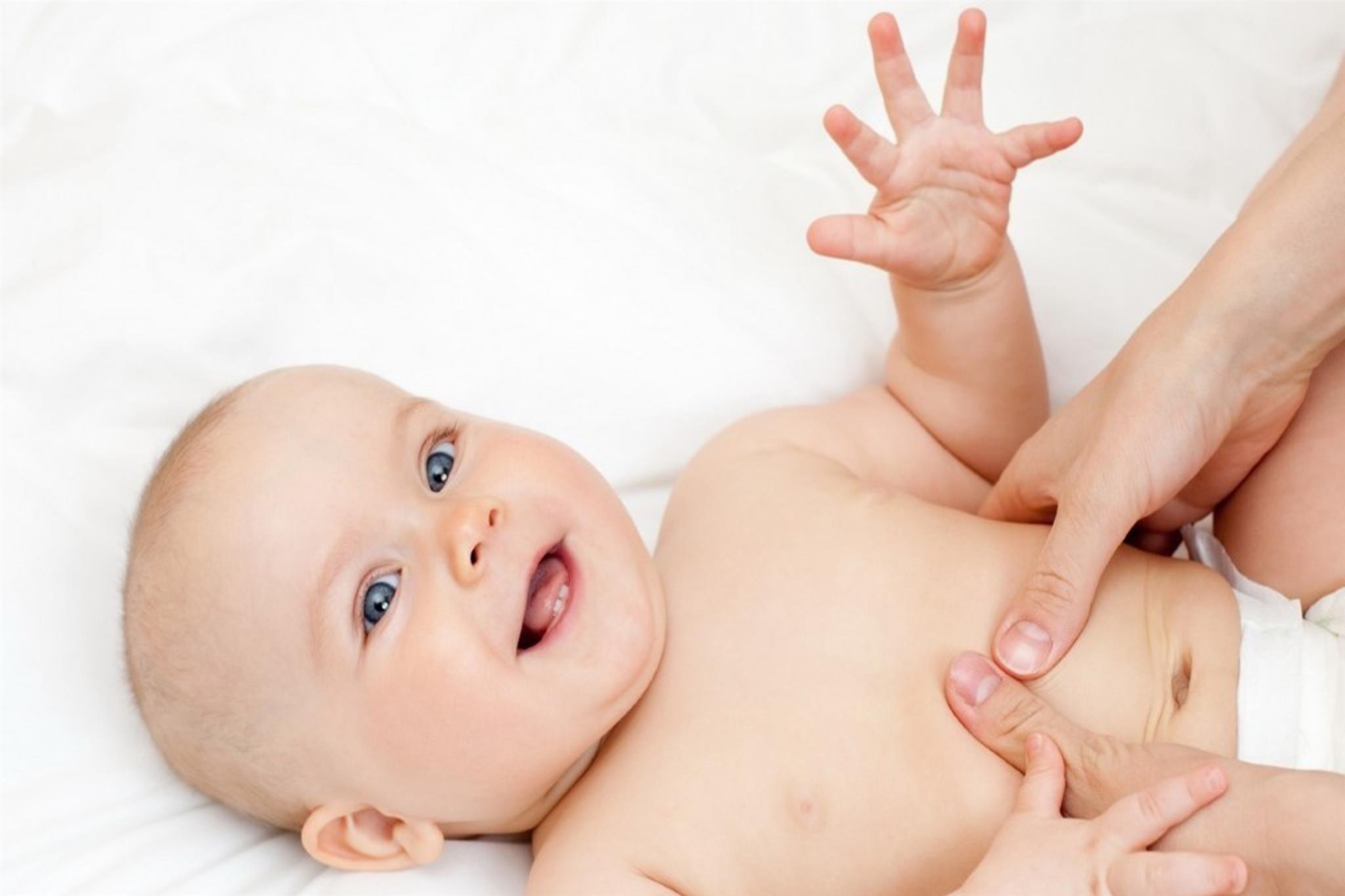
Safe treatment for diarrhea in children
Diarrhea
Diarrhea is called frequent (more than 2-3 times a day) stool with a change in its nature.
The character of the stool can be mushy, frothy, watery, with a lot of mucus, with blood, and so on. The color and smell of the stool changes: it becomes light yellow, greenish-brown, with a sour or putrid odor. Diarrhea in children is most often accompanied by bloating, paroxysmal pain along the intestines, frequent (including false) urge to defecate. If the cause of the disease is an infection, then common signs of the disease join: fever, vomiting, weakness, malaise.
The causes of frequent loose stools can be different: malnutrition, food allergies; chronic diseases of the gastrointestinal tract; dysbacteriosis, intestinal infections, food poisoning, helminthic invasions, neuropsychic stress.
Why is diarrhea dangerous?
- dehydration due to the loss of a large amount of fluid (and with them salts) with diarrhea and vomiting; dehydration is dangerous because the water-salt balance in the body is disturbed, and hence the work of all organs and tissues.
- intoxication - the effect of infectious agents and the toxins they release on the body.
- Dysbacteriosis. Dysbacteriosis is the root cause of a number of serious diseases, such as eczema, bronchial asthma, colon cancer, diabetes mellitus, intoxication, liver cirrhosis, beriberi, allergies, immunodeficiency, poor absorption of minerals and, as a result, osteochondrosis and rickets, diseases internal organs.
Dysbacteriosis. Treat or go away on its own?
Even after eliminating diarrhea, you need to restore the balance of microflora in the intestines. As mentioned above, running dysbacteriosis becomes the cause of very dangerous diseases in the future.
- the destructive effect of toxins on the body affects all organs
- the absorption of vitamins and minerals, especially iron and calcium, is impaired;
- the protective function of the intestine decreases, toxins enter the bloodstream
- reduced resistance to malignant neoplasms;
- the aging process of the body is accelerated;
- fermentation and putrefactive processes increase, intoxication of the body increases;
- a decrease in the number of lactobacilli increases the risk of kidney stones.
As a result, metabolic disorders and a decrease in immunity occur, which lead to an exacerbation of existing chronic diseases, and the load on the liver, kidneys and heart increases.
Diarrhea without health consequences
Lactusan, a domestically produced prebiotic, enters the large intestine without being digested in the upper gastrointestinal tract. Reaching the colon, Lactusan becomes an ideal breeding ground for beneficial bifidobacteria and lactobacilli.
In turn, beneficial bifidobacteria and lactobacilli suppress pathogens, thereby restoring the normal balance of microflora. Lactusan reduces the ingress of toxins (poisons) into the body, reduces the load on the liver and kidneys, ensuring the neutralization of toxic substances in the intestines.
According to clinical studies, Lactusan restores the intestinal microflora to normal, thereby eliminating dysbacteriosis and its manifestations.
Diarrhea in children
In childhood, the formation of the whole organism of the child takes place. Dysbacteriosis leads to digestive disorders, deviations in the formation of bones, teeth, muscle and brain tissue. The child's body experiences an increased load due to internal intoxication that accompanies dysbacteriosis. As a result of diarrhea, allergic dermatoses develop in children. In order to avoid undesirable consequences, it is necessary to periodically conduct courses of normalization of the intestinal microflora, especially after the use of antibiotics.
Lactusan is safe for young children. The active substance of Lactusan is not absorbed into the blood and does not adversely affect other organs. On the contrary, with the constant use of Laktusan for 3-4 weeks, the load on the liver and kidneys is reduced, the affected skin areas are restored with dermatitis, allergies.
Diet for diarrhea
With frequent stools on the first day, hunger is prescribed in combination with the intake of a sufficient amount of liquid, then in stages it will be possible to switch to mucous decoctions, porridge-slurry on the water (preferably rice), sour-milk products and ordinary food with the exception of fatty, fried, sweet, rich dishes and raw vegetables.
Add Comment